The Nigerian Senate has appealed to the Federal Government to end the use of public funds for procuring electricity infrastructure that, in most cases, ends up as private assets controlled by electricity distribution companies (DISCOs).
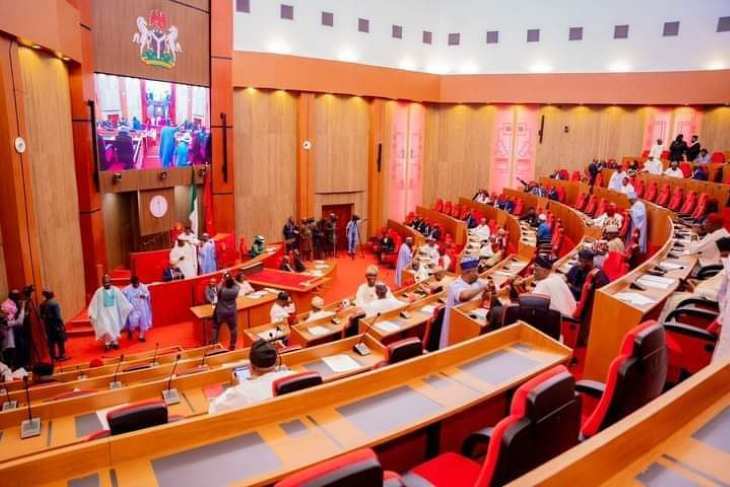
Speaking during Thursday’s plenary session, Senator Yunus Akintunde (APC–Oyo Central), Chairman of the Senate Committee on the Environment, fumed against the current model where government-funded equipment, such as transformers, are handed over to communities, only for the DISCOs to assume ownership and impose charges for installation and service.
He described the practice as unfair, urging policymakers to shift focus from enriching private operators to delivering reliable and affordable electricity to Nigerians.
“When you buy a transformer with government money and hand it to a community, the distribution company still insists on installation fees,” Akintunde said. “Yet, once the transformer is energized, it is treated as a DISCO asset. That’s public money being used to build up private, monopolies.
”The senator called for a revision of government policy to create a more transparent and beneficial subsidy structure, stressing that energy subsidies are not unique to Nigeria and are widely used across the world, including in advanced economies.
“In countries like the United Kingdom, energy is subsidised to protect the vulnerable and promote growth,” he noted.
“The fact that subsidies have been mismanaged in the past does not mean they are without merit. What is required is proper oversight and implementation.”
“The transmission lines and substations in many parts of the country are obsolete. They can’t support the demands of a modern energy grid,” he said.
“This gap between generation, distribution, and transmission is one of the reasons for persistent outages and inefficiency.”he concluded