The recent massacre of 162 residents in Woro and Nuku communities of Kaiama local government area, Kwara State, is a damning projection of Nigeria’s persistent security failures.
Extremists, armed and highly mobile, struck homes, mosques, and roads over nearly ten hours, executing men, women, and children whose only offence was rejecting a perverted ideology.
This newspaper reports that this atrocity was not sudden; it was preceded by months of warnings that went unheeded.
According to intelligence reports, jihadist groups, including Boko Haram and the Islamic State-linked Lakurawa faction, had announced their intentions months earlier, sending letters to local leaders and communities.
Also, amnesty international confirmed that a warning letter arrived just two weeks before the attack, signed under Boko Haram’s formal name.
Yet, despite repeated alerts, troops were deployed briefly and then withdrawn, leaving the villages exposed.
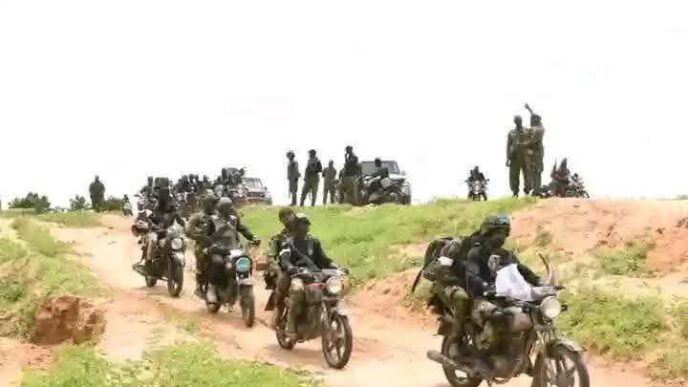
President Bola Tinubu has condemned the attack, deployed additional forces, and inaugurated “Operation Savannah Shield.”
Governor AbdulRahman AbdulRazaq also expressed confidence that the military would restore calm.
While these measures are necessary, they are reactive rather than preventive.
Nigerians are justified in asking why credible threats consistently fail to trigger sustained action.
The pattern of delayed or insufficient responses is not unique to Kwara.
From the Chibok abductions in 2014 to massacres in Benue, Plateau, Niger, Katsina, Zamfara, and Kaduna states, Nigeria’s security agencies have repeatedly demonstrated an inability—or unwillingness—to act proactively.
Credible intelligence is collected, threats are logged, and initial deployments are made, but the follow-through is often absent, leaving communities at the mercy of extremists.
The operational gaps are stark. Militants moved with impunity, blocked exits, and conducted door-to-door executions.
They even lured residents to a mosque under the guise of prayers before killing them.
Soldiers arrived at 3:00 am, long after the attackers had fled.
This tragic sequence highlights a systemic failure in converting intelligence into timely, decisive action.
Beyond operational deficiencies, the massacre exposes deeper flaws in Nigeria’s security architecture.
Intelligence gathering, analysis, and dissemination are undermined by bureaucratic inertia, unclear command structures, and competing priorities.
A five-month warning from a terrorist group should have prompted sustained military presence and community protection—not a temporary deployment that dissipates when political attention shifts.
The courage of Woro and Nuku residents deserves recognition.
These Muslim communities refused to submit to extremist indoctrination, practising their faith peacefully despite imminent danger.
Their resolve cost them their lives. While commendation from the presidency is appropriate, it cannot substitute for proactive protection that might have prevented this tragedy.
Nigeria cannot afford to continue fighting terrorism in a reactive mode. Post-massacre troop deployments and presidential condemnations are insufficient.
What is required is a security framework that treats credible threats with the urgency they demand, strengthens intelligence-to-action pipelines, and ensures accountability for lapses.
Until such systemic reforms are implemented, operations like Savannah Shield will remain, in effect, “locking the stable door after the horses have bolted.”
It is important that the government, security agencies, and communities learn the harshest possible lesson: intelligence ignored is lives lost, and Nigeria’s citizens can no longer afford reactive governance in the face of clear threats.