Woodhall Capital in partnership with Polaris Bank, Lagos and UK governments have announced the launch of a ₦1.5 billion Creative Sector Fund aimed at expanding access to structured financing for creative entrepreneurs across fashion, film, music, and digital content.
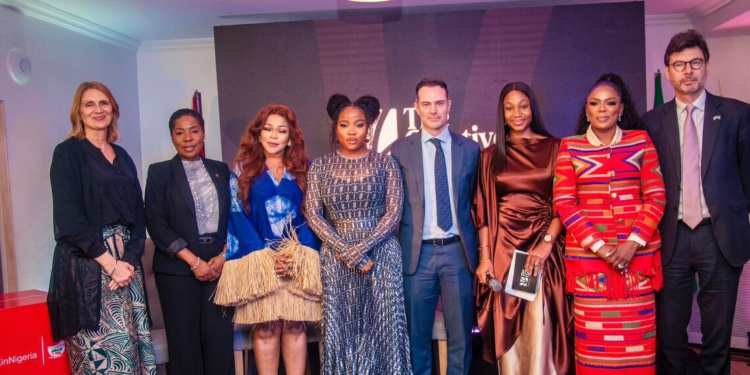
The fund was unveiled during the launch of the Creative Currency Podcast, an initiative designed to foster collaboration among creatives, financiers, policymakers, and global stakeholders.
The platform, envisioned as both a podcast and a policy engagement forum, will address longstanding industry challenges such as limited access to finance, weak enforcement of Intellectual Property (IP) rights, and the absence of scalable business infrastructure within Nigeria’s creative ecosystem.
In May 2022, Polaris Bank had partnered with the Lagos State Employment Trust Fund (LSETF) to establish a ₦1 billion fund targeted at artisans across Lagos State. That initiative was focused on delivering critical financial support to skilled artisans and entrepreneurs in the MSME sector who had been in active business for at least one year — with the aim of promoting wealth creation and inclusive economic growth throughout the state.
The official unveiling of the new Creative Sector Fund took place on Thursday evening at the Ikoyi residence of the British Deputy High Commissioner. Speaking during a panel session at the event, Polaris Bank’s Executive Director, Abimbola Ozomah, underscored the fund’s importance as a long-overdue remedy to the structural exclusion of creatives from Nigeria’s formal financial systems.
“This fund represents more than capital, it reflects our belief in Nigerian creativity as a global force,” said Polaris Bank’s Executive Director, Abimbola Ozomah. “We’re not just exporting talent. We’re exporting ownership, structure, and long-term value.”
Ozomah further described the initiative as a strategic effort to recognize creative work and intellectual property as bankable assets while establishing a framework where creatives are seen as serious entrepreneurs capable of generating significant economic value.
Mojisola Hunponu-Wusu, Founder and CEO of Woodhall Capital, reinforced the need to reshape the financial system’s engagement with the creative sector. She pledged to offer tailored financial products, advisory services, and investor-matching support specifically designed for creative MSMEs.
The UK Government, represented by British Deputy High Commissioner Jonny Baxter, reiterated its longstanding commitment to Nigeria’s creative economy. He cited the UK-Nigeria Creative Industries Partnership, signed in 2024, as a landmark effort in unlocking bilateral trade, investment, and collaboration. Baxter described the new initiative as a “blueprint for global creative cooperation.”
The Lagos State Government, a key force behind the initiative, reaffirmed its goal to position Lagos as Africa’s creative capital. Representing the Governor, Mrs. Folashade Ambrose-Medebem, Honourable Commissioner for Commerce, Cooperatives, Trade and Investment, spoke about the state’s efforts to support the sector through progressive policy reforms, infrastructure development, and the provision of zero-interest loans of up to ₦10 million via the Lagos Creative Fund. She noted these measures are aimed at helping creatives scale their operations, access local and international markets, and formalize their businesses.
The newly launched Creative Currency Podcast is set to be more than just a media platform. It aspires to become a knowledge-sharing ecosystem, uniting local talent with global investors, legal experts, and cultural leaders to explore growth opportunities, identify risks, and share strategic solutions that will elevate Nigeria’s creative industries to international standards.
During the panel discussions, participants repeatedly emphasized the urgent need for greater structure, transparency, and professionalism in the creative sector. Creators were encouraged to develop robust business plans, keep detailed financial records, formalize their operations, and assert their rights to royalties and IP protection.
As conversations progressed, financial institutions present acknowledged the need for a fundamental mindset shift. They agreed that traditional risk models must be reimagined to reflect the distinctive nature of creative businesses — many of which rely on intangible assets, fluid revenue streams, and high export potential.
The event concluded with a unified call to action: invest in the systems, not just the stories. Stakeholders agreed that a more structured, well-capitalized, and collaborative creative economy holds the key to unlocking job creation, export expansion, and global influence for Nigeria.
Polaris Bank, a longtime supporter of the MSME sector, has continued to build a strong legacy in SME financing by deploying billions of naira in credit to support micro, small, and medium-scale enterprises. The bank maintains a substantial lending portfolio dedicated to helping Nigerian entrepreneurs grow sustainable businesses, create jobs, and build lasting wealth.